
Creativity is the cure to nihilism

This month I went to a funeral for an artist. Not necessarily a great artist, or a well remembered name. But one that entertained with their art, and one that will be remembered by the works that they did.
I won’t name them, don’t need to because this applies to any of the millions of artists that won’t appear in “In Memoriams” on award shows when they die. The anonymous lounge singers, the home decorators whose masterpiece is their own home. The community theater acting troupe or the rock cover band that does regular shows at the local dive bar. There are millions of artists around the world — many very talented, but unrecognized outside their local group.
To the unrecognized artists that make your life better in subtle ways you may not even notice. This essay is dedicated to them.
The theme of my last part of this series was that we have this creativity in every one of us and being creative brings us joy, so why aren’t we being more creative?
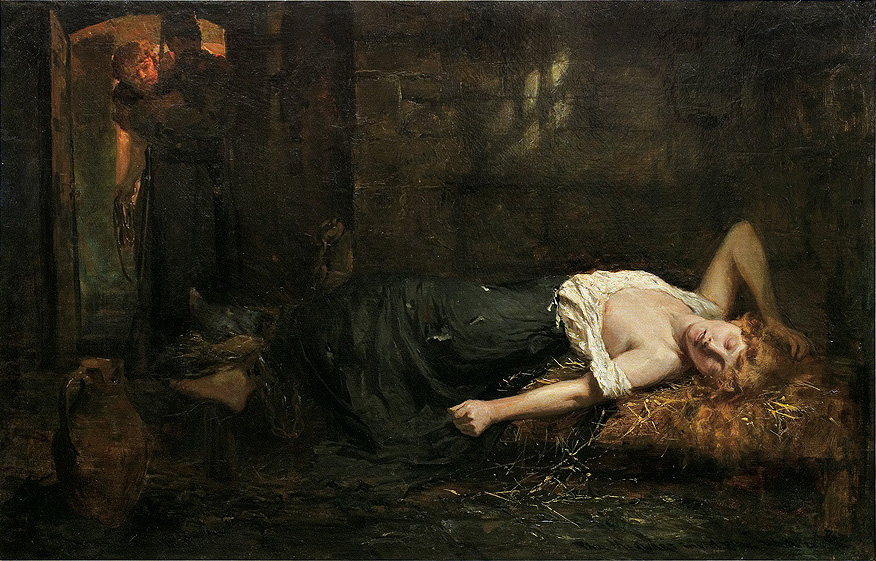
We live in a world growing more nihilistic, and while some found it fun for a while, I think most of us are getting pretty sick of it. Nihilism is the realization that life has no meaning, and it brings with it fear, anger, and a desire for a feeling of control in our lives.
My objective is to show Creativity is the answer to nihilism.
The beginning of the end of the post modernism era started with the end of neo-liberalism which failed as a philosophy in the 2008 housing crash. Combine that with the fundamentalist Christians concern with the millenium and you have the growing “Christian De-enlightenment” movement deifying con-men authoritarians in the hopes that they will help them control their lives better.
It’s a simplistic answer, that won’t work, but people are drawn to simple answers, because they don’t like to think about it much. It is why I have given up hope that “religion” is the answer to nihilism. Not all religions are fundamentalist and authoritarian, but the most dominant ones today are.
Nihilism makes us unhappy, so it is no surprise some have come up with alternative “simple answers” to address the unhappiness that don’t involve authoritarian religious movements. Instead they offer temporary stress relief sold as permanent solutions that people like myself give up on after a while.

How not to be happy
Note: I’m about to burn down one of my old arguments about “how to be happy” that was a series of articles I wrote in 2010-2011 updated to just before Trump got elected in 2016. It’s still a good essay series, but updates must be done. because some of the things I said have proven not to be true. Like a good scientist, I accept when I might be wrong.
Positive Psychology – Since I made that piece, the field of Positive Psychology has suffered some setbacks, as its core studies that define its theories, have not been proven decisively. Studies designed to “prove” positive psychology, tend to not be repeatable with similar results, putting a wrecking ball through the majority of the field.
There is also doubt from critics that positive psychology seems to be just a business buzzword of developed strategies to convince employees they are happy when they are not. At best it doesn’t work the way psychologists think, and at worst, it’s a series of deceptive tricks that only provide temporary relief.
An example of this is the “mindfulness” movement. While the concept of mindfulness has some proven benefits to those that take the time to really learn how to do it right, understand it and practice it correctly, it is an idea taught badly and way too much in stressful workplaces as a “simple answer”. Most employees don’t get trained successfully in a half day seminar and there is a lot of faking to make your bosses feel better.
Another one is ASMR which some people find relaxing, while others (like myself) find extremely off putting. Using ASMR to help employees relax is pointless if many don’t experience it the same way. Relaxation strategies don’t work on some people.
If work places are really interested in relieving stress on the job, significantly increasing pay is a proven solution. Yes, it costs businesses money to do that, but it is better than positive psychology strategies that work maybe once and are only temporary.

Gamification – This is what part 3 of that “how to be happy” essay covered, about turning life into a game. It was based on a book “Reality is Broken” by Jane McGonigal, that has not proven to be as great as I say in the review I wrote 12 years ago.
McGonigal started with a premise that I still agree with: Games make us happy. Where she faltered is in her idea of “why?”. I mentioned in the last essay the work of Dr. C. Thi Nguyen in this book “Games: Agency as Art” who had a different theory. Games make us happy by stirring our creative brain, not just in the making of games, but even while playing a well designed game.
It does this by what he calls “value clarity”, this is things like “scoring points” in a game. A well designed game will put the players in positions to think and act creatively to try and win. Inside the game it is important to win, but outside the game it is the development of skills, creativity, and socialization with other players that brings fulfillment.
McGonigal then moved on to the subject of “Gamification” which is where you turn your work into a job to make it both fun and have provable goals to follow.
According to McGonigal, we should gamify our lives, to harness our incredible powers of absorption in game play. By gamifying work, education, and fitness, we not only increase our motivation to perform these activities; we will also make the activities fun.
But I am not nearly as optimistic as McGonigal. What McGonigal and other gamifiers neglect, I think, is the degree to which gamification changes the nature of the target. Gamification can amplify our motivation to act, but in order to do so, it needs to alter the goal.
Dr. C. Thi Nguyen, “Games: Agency as Art” pg 214
What he is saying is that “scoring points” outside of structured games, relies on aspects of a job that is quickly measurable. Often the most important parts of a job are not measurable.
Trying to export “scoring points” to life can “quietly undermine our aims and our autonomy (ibid)“. The reason why collecting coins in Super Mario Bros makes us happy, does not translate to how many orders you can fill in a day.
Playing games requires creative and strategic thinking to succeed, and the game being played must be well designed for this purpose, and this is what brings the happiness. “Filling orders” (or whatever busywork you’re employed to do), are boring routine activities we do to pay the bills, and gamifying a routine like that will not bring happiness. Super Mario Bros is a well designed game, “filling orders” is not.
Focusing on just easily measurable goals at work leads to “gaming the system”, and the complete lack of interest in the important parts of the job that can’t be measured. Right now China is facing a devastating collapse because they have focused too much on the measurable parts of GDP calculations (infrastructure building and exports), and neglecting the important un-measurable parts (increasing the standard of living of its citizens). Just one example of why focusing only on measurable stats is a bad idea.

This puts a different spin on my old happiness essay. To quote myself:
Long term happiness, or as the article calls it eudaimonic well-being, requires a pursuit of purpose to focus our lives around something. Isn’t this what the philosophers and religious figures say? Losing yourself in the service of others, you will find yourselves.
But does it necessarily have to be service to others? In order for that service to be of any value, others must accept it. And yet, as we learned from Happiness 101, seeking the approval of others ultimately leads to misery. Therefore, the meaningful activity we pursue must ultimately be meaningful to ourselves, whether we get appreciation for it or not. So maybe the philosophers and religious figures had it backwards. We cannot lose ourselves, until we find ourselves, until we find our purpose.
We have been taught all our lives that happiness comes from external stimuli: money, praise, status, material goods, etc. The reality is that it does not. We get temporary joy from obtaining “stuff” but it is always fleeting. In the long run, we are harming our ability for long term happiness in the pursuit of all of these short term thrills.
Happiness: A Reminder
And here is where I break from my past self, there is a better answer in creative pursuits. Creative acts is how we find ourselves and find our purpose.
McGonigal identified four types of purpose that bring us meaning. I don’t think this is exhaustive, but it’s a good place as any to start:
- We crave “satisfying work” or being immersed in clearly defined, demanding activities that allow us to see the direct impact of our efforts.
- We crave the “hope of success”, which is more powerful than the actual success. We want to be optimistic about our chances for success in our endeavors, and even if we fail, we at least want to improve over time.
- We crave social connections, share experiences and build bonds with others. We most often accomplish this by doing things that matter together.
- We crave meaning, or the chance to be part of something larger than ourselves. We want to feel curious, awe, and wonder about things that unfold on epic scales.
Being creative and bringing new “art” to the world is satisfying work with a hope for success. There are social aspects to creative arts, whether it is in performing arts to an audience, or in making art that is sellable to those that appreciate it.
And the fourth intrinsic reward: “we crave meaning, or the chance to be part of something larger than ourselves” is kind of the whole point in making art and putting it out to the world.

A Better Way: we can all learn to be curious and creative as a way to retake control of our lives.
In the last essay, I mentioned the need to “be curious” and learn new things, and “be creative” and create new things as the next step that society needs to focus on to address growing cynicism and nihilism that is taking over society since the end of the post modern era.
Being creative is not a simple solution. It is a riskier option, mostly because it requires faith in our own creative abilities. That’s often too much for people. It also requires time be put in to get better at it, and build that faith. It is not a job stress solution either, it is a life solution and a society solution.
Basically what I am advocating is a society based on encouraging curiosity and creativity in everybody. Our ethic of “hard work” is broken beyond repair, and the dominance of the “investment class” demanding higher productivity at lower pay is only making it worse.
But scientific studies seem to support the following: 1. Pay your employees enough so they don’t have to worry about money, 2. Give them proper autonomy to do the work, don’t micro-manage, this drives creativity at work. 3. People who do work that feeds their curiosity and creativity are motivated not by pay, but by challenge, mastery, and making a contribution.
Imagine if every employer followed these proven rules, consumerism would skyrocket, productivity would continue, and people would enjoy their work and lives more. Companies would benefit by the combined creativity of their employees, and mistakes would be reduced.

The answer is “Folk Culture”
You want a better society? Start by learning some creative arts to do yourself, hopefully most of you have already started this one. Next you should learn to appreciate other indie artists and and support them however you can.
Pop culture is mainstream art “content” from major corporate studios, gaming studios, and record companies.
Folk culture is indie art, local art, regional art, that includes community theaters, and local musical groups usually made by people just wanting to make stuff to fill their creative interests. No, it is not always as good as mainstream pop culture, usually because big studios can afford big budgets. But independent media can still have soul, send a message, and influence ideas.
There is so much art out there, there is only so much we can experience and buy, and the mass media wants you to buy it from them. In the US mass media is controlled largely by 5 companies: Disney Fox, Viacom Paramount, Warner Discovery, Comcast Universal, Sony Columbia and they want you to stick with just the mainstream as your art sources.
But there is much good stuff outside of the mainstream, and you have to look for it to find it. Local galleries, farmers markets, and art fairs, are places to start. Or try local venues with live music.
Alternatively go to websites that are easy for artists to join and share what they made, like Etsy, Pinterest or Bandcamp, or the many art showcases I linked to in part 1. if you find artists you like, find their personal home page, SubscribeStar, Patreon, or ko-fi page.
Also I buy mp3 files from itunes or bandcamp when I find a song I like, because I appreciate artists enough to pay them. Spotify is in serious financial straits right now and could soon disappear, millions will lose access to their favorite tunes if they do, but I’ll still have my tunes. I also like that I don’t need internet to listen to mp3s.
Now I know most of my readers do not have that much disposable income, truth is I can only afford a 3000 song mp3 collection because I’ve been collecting over the course of decades, and backing everything up as I go. But there are cheaper ways to support indie music and video if you can’t afford stand alone copies.
I engage in pop culture like everybody else. It helps me learn, gives me ideas. But I also have found I can get plenty of great ideas watching independently produced YouTube videos, so I have learned to split my time.
I try to engage in folk culture where I can. Video dramas are rare due to their cost, but independent books and short stories are not rare, same with independently published podcasts, graphic novels and visual novels. Authors of this material tend to experiment with story structure, just as independent music artists experiment with song structure. These are some of the elements you wont find in mainstream pop culture.
I also create stuff and garner more enjoyment from the creating process as I do the consuming process. Creating is time consuming, often annoying, and depending on your hobby, costs money to do, but you learn and create as you go, and it feels so good to make stuff that others can enjoy.
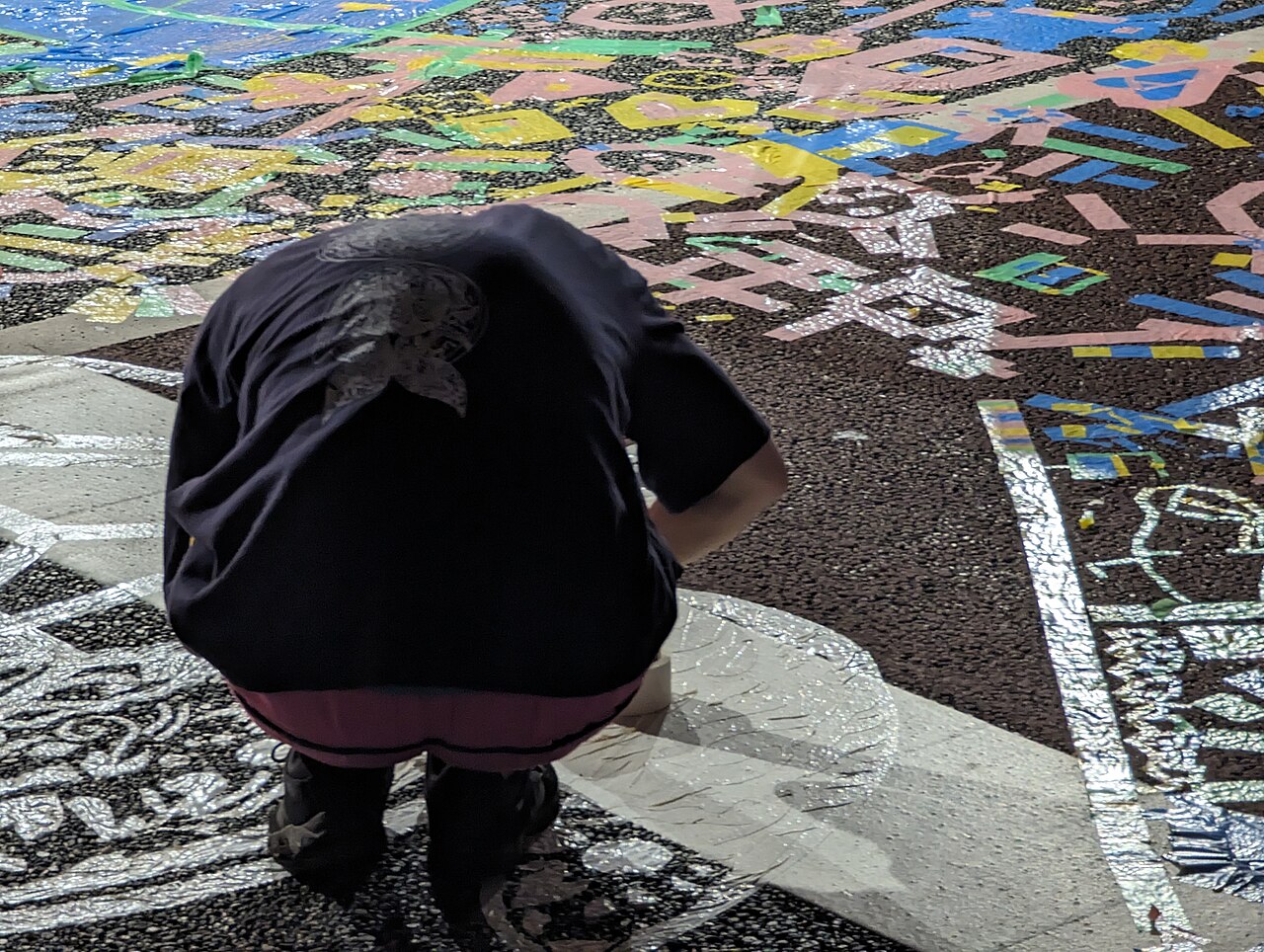
What I want: a society based on creativity
When we think creative works, our mind immediately goes to main stream pop culture. I want our minds to go to local artists, indie artists, people that do what you do.
Seek advice from the ones that are better than you, try the creators that aren’t very good yet, give them constructive criticism, they’ll appreciate it. The great thing about independent creators is they are responsive to fans and other fellow artists. Don’t think of other artists as competition growing your community, helping your fellow artists improves the entire community, as they say “A rising tide lifts all boats”.
What I REALLY want: a society where we support each other
Creativity is a good reason and motivation to do just that. Learning creative arts brings joy, teaching other people creative arts also brings joy. Supporting fellow artists financially, or at least appreciatively is what we should do.
Once we learn to appreciate each others creativity, we can learn to appreciate each other in other ways, too.
Recognizing the value of our neighbors, is the quickest way to end nihilism as an influence completely and replace fear and hate with hope and happiness.
 Date Ariane Games
Pingback: The Enemies of Creativity | Date Ariane Games
Just want to say that I miss the older versions of Dating Ariane (ver 4 or 5), and I wish they were still available to play today.
It could be because I’m getting older, so I’m getting more nostalgic about things of the past. Things that remind me of how I used to be, and the emotions that accompanied them. The graphics and technology were not as good as that of today, but there was a sincere freshness and groundbreaking originality about them.
And that is the purest form of creativity to me.
I did some history posts a couple of years ago with links to really old versions, also check the wiki section of this site for old pictures.
Pingback: Creativity is the Driving Force of Life | Date Ariane Games